 Welcome to the inaugural edition of On Books, a new subscriber-only newsletter from Bloomberg Weekend. We’re bringing you a fresh take on the new (and sometimes old!) books dominating the world’s cultural, social and economic conversations. Our reviews and expert recommendations will keep you up to date on ideas from around the Bloomberg newsroom and beyond. Note to readers: As a complimentary introduction, all subscribers to the flagship Weekend newsletter and The Forecast newsletter will receive this every Friday for the next month. Then it will only be available to paying Bloomberg.com subscribers. You can manage your newsletter preferences at anytime here: Bloomberg.com/newsletters. This weekend:
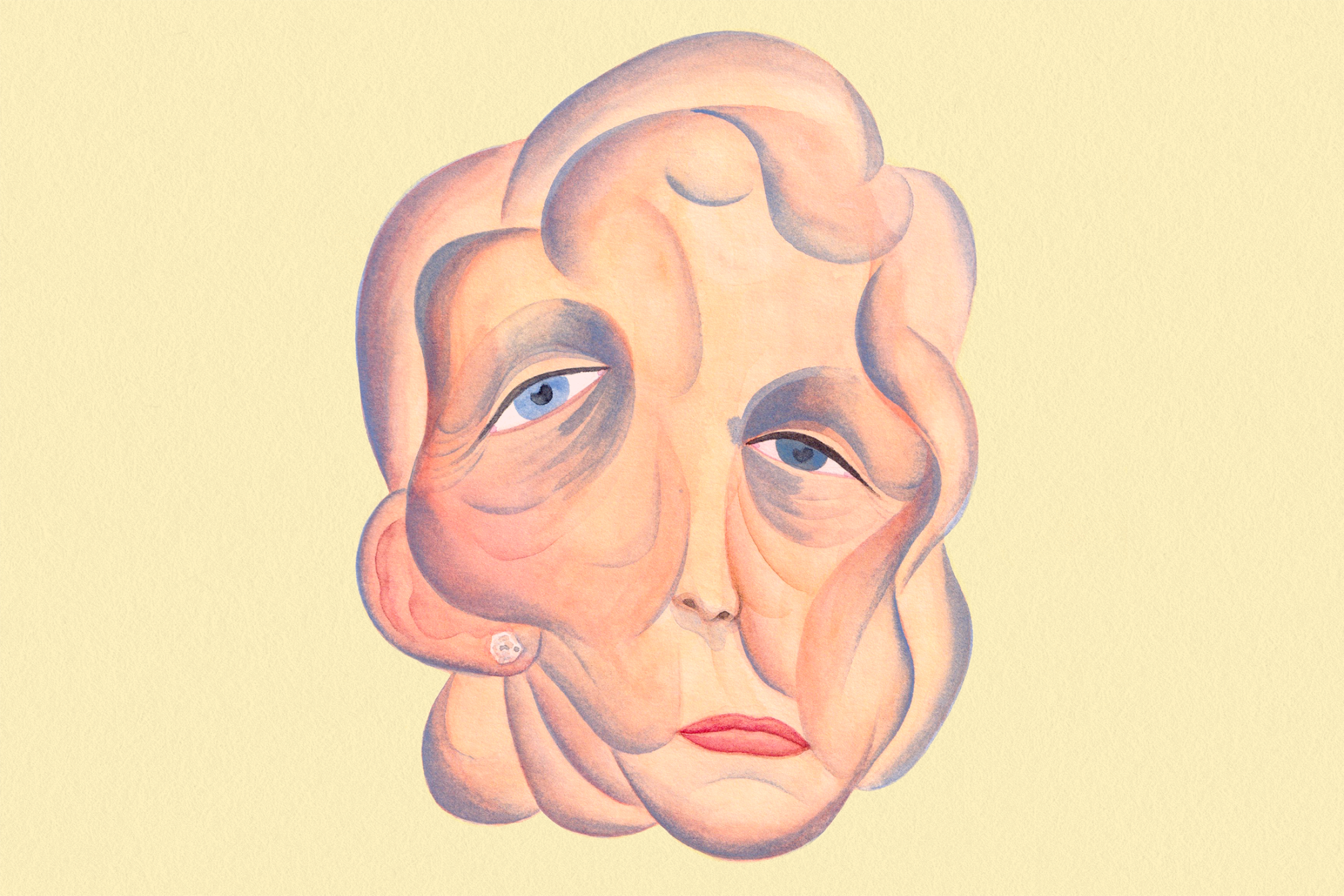
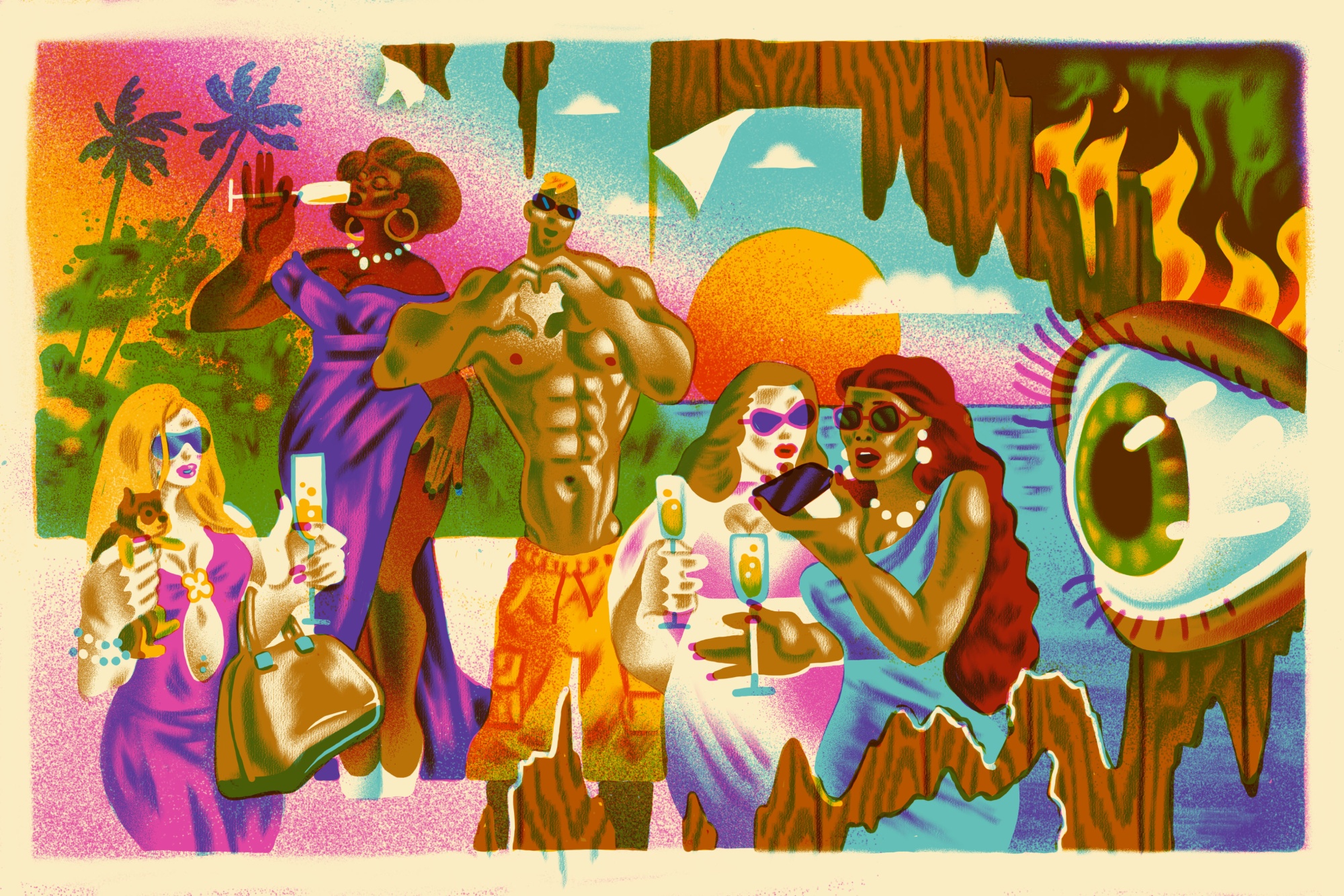
You’ve ChangedCosmetic surgeries and alterations are so ubiquitous that scientists have been doing large-scale studies on their psychological impact for decades. The results are mixed. One study of married bariatric surgery patients in Sweden showed an elevated risk of divorce; another indicated that people with Botox were less empathetic and less able to perceive anger in others. Belatedly, fiction has caught on, Alice Robb writes. Ryan Murphy’s 2026 FX series The Beauty and Coralie Fargeat’s 2024 film The Substance are offset by more textured dramatizations including New Skin, a debut novel by Sarah Wang. In it, a Chinese immigrant mother is transformed by a series of procedures, robbing the child of her “real mother” and causing her to spiral into depression. The danger with these explorations is that they’re censorious or moralizing, which is both a drag and deeply unfair (and usually misogynistic). Self improvement needn’t entail suffering, and despite the horror stories (and the woman on Botched who had tire sealant in her face), most patients are happy with their results. But, Robb writes, our anxieties are expressing themselves in a new genre: Face horror. Reality TV, For RealIn an episode of the early-aughts TLC reality show Trading Spaces, Pam Herrick and her husband had one request for their living room: leave the brick fireplace alone. When the renovation was revealed, Herrick excused herself to avoid crying on camera. But she was still miked up, and her sobs were audible. Reality TV succeeds because it taps into genuine emotions, writes Ilana Masad, but what accounts for its longevity? A handful of recent books on the genre make the case that unscripted programming is now so ingrained in contemporary culture that it has begun to take shape from the inside out. In Dream Facades: The Cruel Architecture of Reality TV, Dwell managing editor Jack Balderrama Morley argues convincingly that the spaces and containers for these dramas matter as much as the frank conversations had within them. Masad also examines how reality TV has evolved alongside social media and influencer culture, from the Kardashians to the erstwhile Bachelorettes. But in a world where anyone can perform curated versions of their lives online, reality TV still offers a space to explore complicated issues through group dynamics and relationships. The sense of stability we get from familiar settings — like The Real World’s high-ceilinged, open-plan loft or The Bachelor’s Mediterranean-style mansion — helps create narrative order. Matt Levine’s Favorite Books About FinanceOn the most recent mailbag episode of the Money Stuff podcast, a listener named Justin wrote in asking for book recommendations. He said he’d just finished When Genius Failed (2000), the chronicle of the collapse of Long-Term Capital Management by Roger Lowenstein, and Duff McDonald’s biography of Jamie Dimon, Last Man Standing (2009).Matt came prepared. “I do actually have a long list of favorite finance books,” he told co-host Katie Greifeld. “The pinnacle is Liar’s Poker and Barbarians at the Gate. Everyone knows that, I’m not gonna talk about that.” Here are the ones he did talk about (the following transcript has been lightly edited):
Want more deep cuts? He did say the list was long. Email [email protected] with your own questions for Matt. Out This Week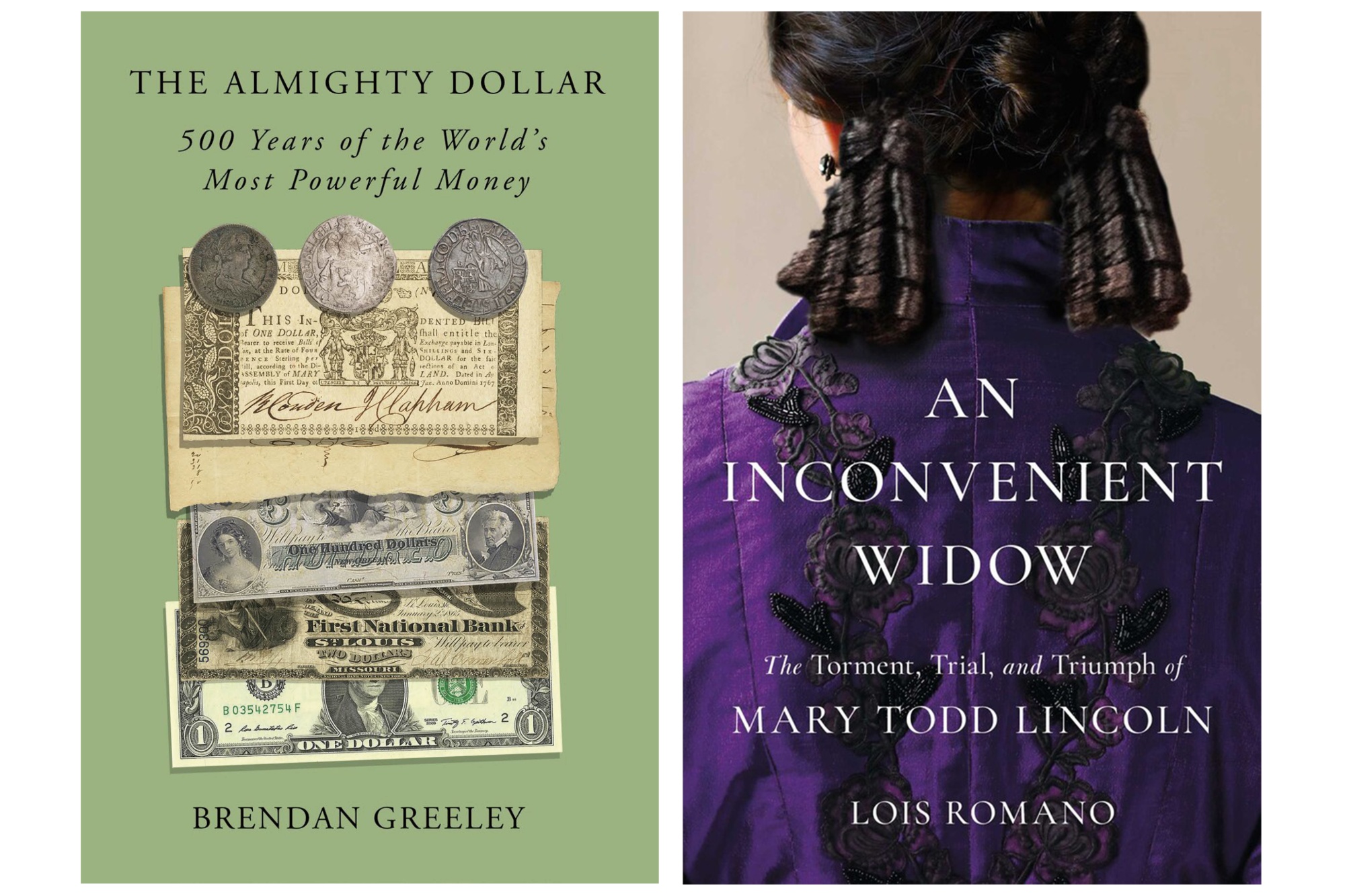 The Almighty Dollar: 500 Years of the World’s Most Powerful Money by Brendan Greeley Greeley, a PhD candidate at Princeton and former Bloomberg Businessweek reporter, has written a neat, accessible piece of financial history. Starting with the taler (which sounds like...) in 15th-century silver mines, he traces the path and pattern of money through history. Greeley makes the case that the American dollar is not, and has never been, under American control. An Inconvenient Widow: The Torment, Trial, and Triumph of Mary Todd Lincoln by Lois Romano Poor Mary Todd. Born into privilege and destined for greatness, she was reduced to a bloodstained historical footnote instead. With a dubious rehabilitation in the form of the hit Broadway farce Oh, Mary! (currently starring Maya Rudolph), Lincoln’s hard knocks keep landing. But this new book by Romano, a former Washington Post writer, should finally shine a softer light on this tortured historic figure. 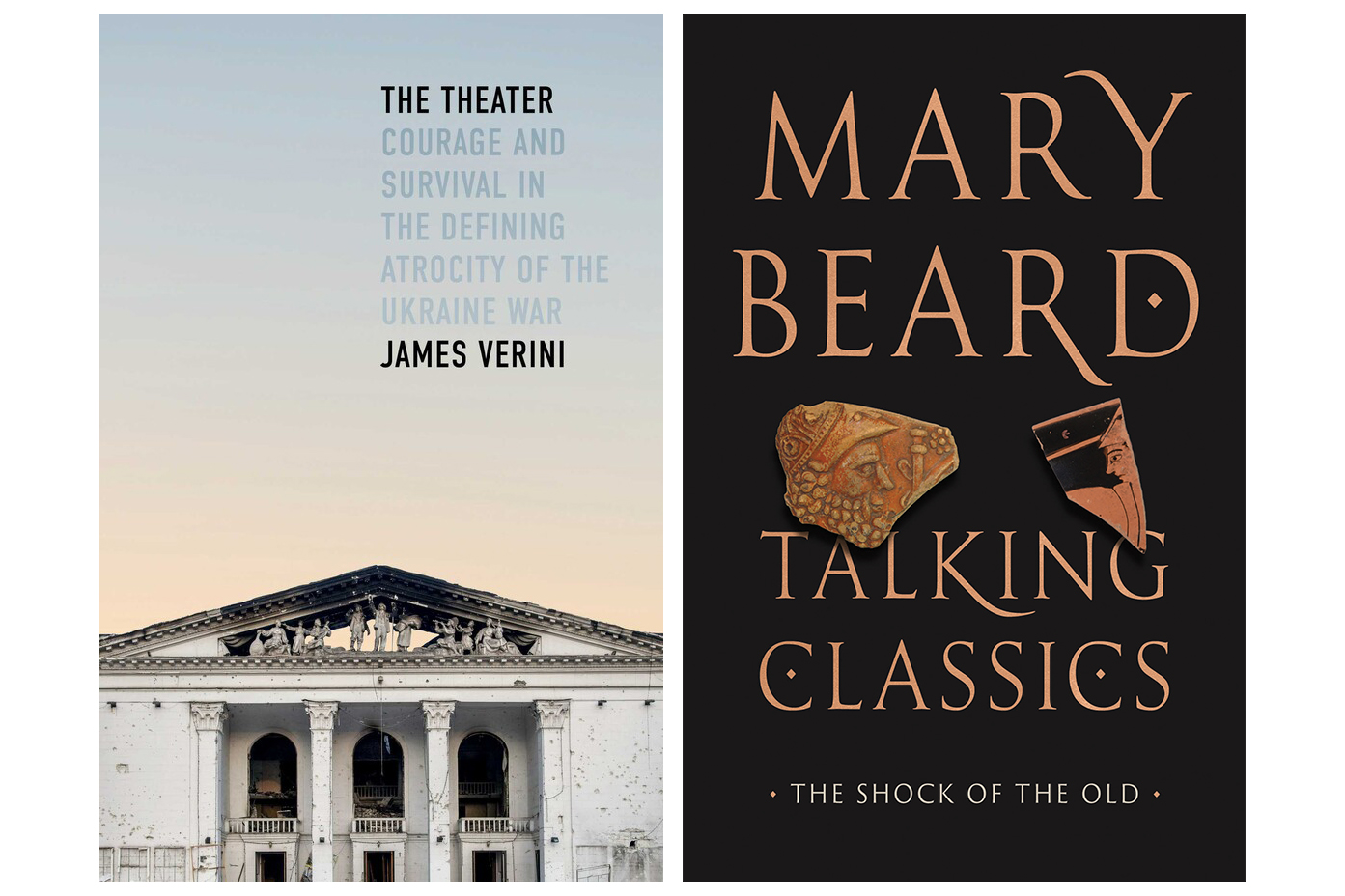 The Theater: Courage and Survival in the Defining Atrocity of the Ukraine War by James Verini Four years after Russia’s invasion of Ukraine, if the war is discussed in American media (which is increasingly rare), the focus is invariably on advancements in drone warfare. In this excellent piece of war reporting, Verini reminds us of the many ordinary Ukrainian civilians whose lives were lost in those first urgent weeks of fighting. Talking Classics: The Shock of the Old by Mary Beard Several thousand years later, Greek and Roman art and literature are still omnipresent. (Just look at Christopher Nolan’s “Odyssey,” a blockbuster coming to theaters this summer.) Beard — inarguably the world’s most famous classicist — has written something of an explanation for the ancient world’s longevity, using it as a lens to examine the present. The Rot at Stanford“Tech is good and fraud is bad.” Theo Baker Bloomberg Opinion’s Parmy Olson spoke to Baker about his new book, How to Rule the World: An Education in Power at Stanford University. In his time as an undergraduate, Theo Baker reported dozens of stories for The Stanford Daily, including an investigation that led to the resignation of the university’s then-president, Marc Tessier-Lavigne. Baker became the youngest ever recipient of journalism’s prestigious George Polk Award for his work, and parlayed his college experience into a gripping book. It is a blow-by-blow account of his investigation and a polemic against what he describes as the university’s culture of excess and cronyism. Read This, Not ThatMick Jagger and Keith Richards were the earliest manifestations of what we now know to be the rock star: An appealingly louche character flouting societal norms when it comes to drug use, sexuality, and a need to remain a step or two ahead of the police. Their band’s often scandalous rise to fame had been the subject of numerous books, the latest of which is Bob Spitz’s 690-page bestseller The Rolling Stones: The Biography. But despite its stated aspiration, the book struggles to recreate pivotal episodes in the saga. The problem is obvious: Spitz wasn’t there to personally witness them. 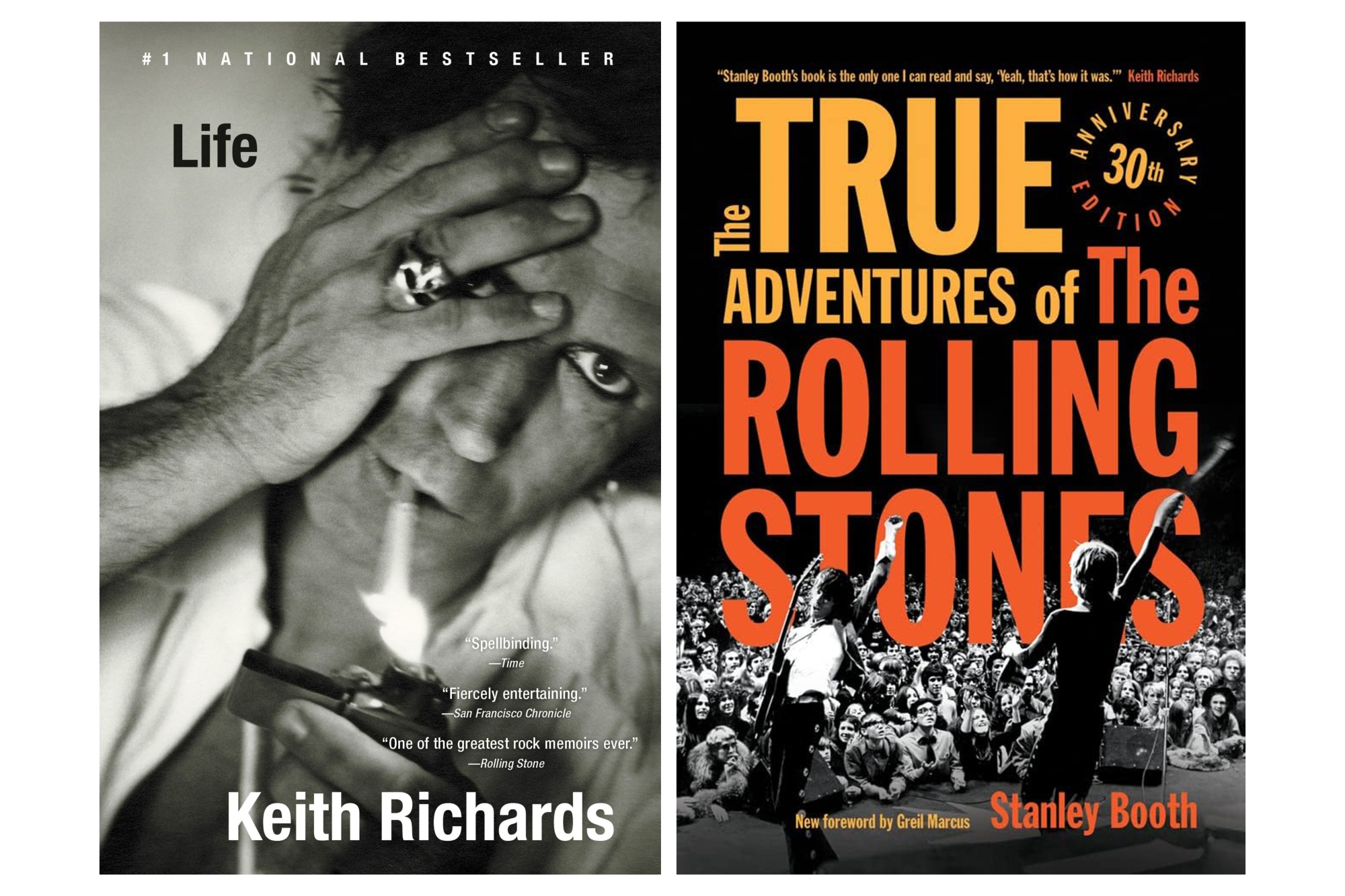 So why not read a book by someone who was, like the incomparable rock journalist Stanley Booth? In The True Adventures of The Rolling Stones, published four decades ago, Booth recounts how he accompanied the band on its 1969 US tour that climaxed in its violence-plagued appearance at California’s Altamont Speedway, an event often credited with slamming the door on the peace and love era. In no other Stones book will you come across a more breathtaking description of Jagger at his peak. Or you could try Richards’ own Life, his remarkably candid memoir penned with novelist James Fox. The guitarist details his drug use (perhaps too enthusiastically); his often fraught relationship with Jagger; and what it’s like as a senior citizen to fire up yet another version of “Jumpin’ Jack Flash.” “It’s never a repetition, always a variation,” Richards writes. “Always.” — Devin Leonard, Bloomberg News On This DayGeorges Prosper Remi, the Belgian comic artist better known as Hergé, was born on May 22, 1907. To date, his books that comprise The Adventures of Tintin have sold more than 270 million copies. Great snakes! Victor Hugo, author of classics Les Misérables and The Hunchback of Notre Dame, died on May 22, 1885. An international celebrity, he received a state funeral; his body lay in state under the Arc de Triomphe as crowds lined up to pay their respects. Pas mal. More BooksHave a good weekend, and happy reading. — Silvia Killingsworth, Bloomberg Weekend and James Tarmy, Bloomberg Pursuits More from Bloomberg
Explore all newsletters at Bloomberg.com. We’re improving your newsletter experience and we’d love your feedback. If something looks off, help us fine-tune your experience by reporting it here. Follow Us
You received this message because you are subscribed to Bloomberg’s On Books newsletter. If a friend forwarded you this message, sign up here to get it in your inbox.
|